
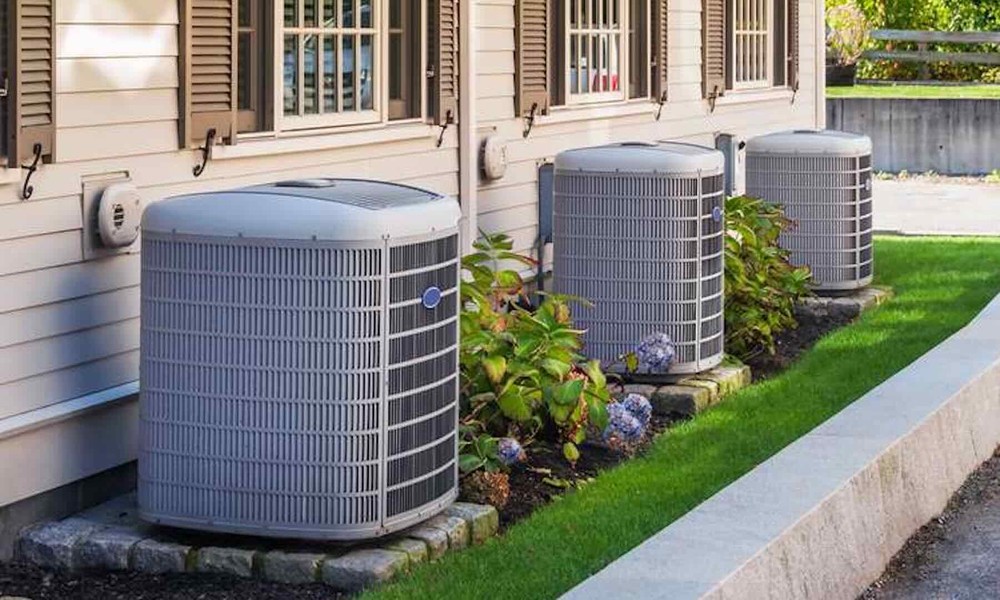
The indoor environment of a business premises directly influences its success. Maintaining optimal conditions regardless of the external season is a fundamental requirement for modern operations.
Tailored temperature and air management solutions address the unique demands of diverse commercial spaces. These range from compact retail shops and restaurants to vast hotels, hospitals, and shopping centres.
Effective environmental systems do more than simply heat or cool a space. They keep staff productive and safe, ensure customer and guest comfort, and protect valuable interior fixtures and building fabric.
The technology available spans from portable units for temporary needs to comprehensive, installed air handling setups. The core aim is to achieve consistent comfort whilst significantly reducing energy consumption and operational costs.
This makes sophisticated environmental management a critical investment for enterprises across sectors, rather than an optional amenity.
Key Takeaways
- Tailored environmental systems are designed for a property’s specific operational needs.
- Consistent indoor comfort is vital for staff productivity and customer satisfaction throughout the year.
- Solutions are scalable, serving everything from small offices to large complexes like hospitals.
- Effective climate management helps preserve a building’s infrastructure and interior quality.
- Modern approaches prioritise energy efficiency alongside reliable performance.
- A well-designed system represents a strategic investment with long-term benefits.
Introduction to Commercial Climate Control Solutions
The evolution of environmental technology has transformed how businesses manage their premises’ internal conditions. Modern approaches go far beyond simple temperature adjustment.
Today’s comprehensive solutions integrate heating, cooling, and ventilation. They also manage humidity levels and incorporate advanced air purification and disinfection capabilities.
These integrated systems work together to create optimal indoor environments. They maintain consistent comfort and air quality across diverse building types and usage patterns.
Contemporary air conditioning systems differ significantly from older models. They utilise smart technology, energy-efficient components, and centralised controls for superior, reliable performance.
A key advancement is seamless integration with existing building management infrastructure. This allows for holistic environmental oversight and operational efficiency.
Selecting the right setup depends on several factors:
- Building size and layout
- Occupancy patterns and specific usage requirements
- Relevant industry regulations and standards
Technological progress has made sophisticated climate control more accessible and effective for organisations of all scales. This establishes a vital foundation for exploring specific implementation strategies.
The Importance of Tailored Climate Control in Commercial Buildings by Norfolk Air Conditioning Ltd
A building’s environmental conditions have a direct and measurable impact on the people who work and visit within it. Generic approaches often fail to address unique operational demands.
Tailored solutions from specialists like Norfolk Air Conditioning Ltd consider specific business needs. They ensure optimal performance across different structures.
Enhancing Customer Comfort and Productivity
Effective temperature and air management directly boost staff output. It maintains focus and physical ease during long shifts.
For guests and clients, a pleasant atmosphere encourages longer visits and repeat business. This is vital for retail, hospitality, and service sectors.
Poor indoor settings lead to noticeable problems. These include distracted workers, increased sick days, and visitor dissatisfaction.
Research shows that extreme heat or cold impairs decision-making. Similarly, stale air can cause discomfort and health concerns.
In restaurants, proper ventilation preserves food safety. In shops, it protects inventory from humidity damage.
| Aspect | Adequate Climate Management | Inadequate Conditions |
|---|---|---|
| Employee Productivity | High concentration, fewer errors | Distraction, increased absenteeism |
| Customer Experience | Comfortable, longer stays | Quick departure, dissatisfaction |
| Air Quality Impact | Fresh, healthy environment | Stale air, potential health issues |
Investing in quality environmental systems supports long-term success. It improves staff retention and client loyalty while ensuring efficient operations.
Implementing Bespoke Year-Round Climate Control Systems for Commercial Properties with Norfolk Air Conditioning
The journey to optimal indoor conditions begins with a collaborative design phase. Experts work closely with a company to understand its building layout and unique operational requirements.
This initial assessment ensures the final solution addresses all relevant factors. It covers occupancy patterns, specific usage, and future growth plans.
Adapting to Changing Business Needs
Commercial needs evolve due to expansion, new regulations, or shifting priorities. A well-planned environmental setup must accommodate these changes.
Certified engineers consider technical details during the design. This includes equipment placement, ductwork routing, and electrical connections.
Professional installation is scheduled to minimise operational disruption. Phased approaches and efficient work practices respect the daily business environment.
Final commissioning tests all components. It confirms the installed system delivers its designed performance reliably.
| Implementation Phase | Business Focus | Technical Actions |
|---|---|---|
| Assessment | Understanding unique operational needs and future plans | Surveying building structure and existing infrastructure |
| Design | Collaborating with stakeholders for seamless integration | Planning equipment specs, ductwork, and control points |
| Installation | Maintaining daily operations with minimal disruption | Precise fitting of units, piping, and electrical work |
| Commissioning | Ensuring the system meets all comfort and efficiency targets | Testing, balancing, and fine-tuning all components |
Modern systems offer inherent flexibility. They adjust to seasonal shifts and changing occupancy without needing a full replacement.
Energy Efficiency and Cost Savings in Modern Systems
Contemporary air conditioning and ventilation units are engineered not just for comfort, but for remarkable resource conservation. Their design prioritises lowering ongoing operational expenditure while maintaining ideal indoor settings.
Advanced features like inverter technology and variable-speed compressors are central to this. They adjust their output precisely to match real-time demand, eliminating the wasteful stop-start cycles of older equipment.
Smart Controls and Energy Monitoring
Intelligent management takes efficiency further. Programmable schedules and occupancy sensors ensure areas are only conditioned when needed.
These controls often integrate with a building’s wider management network. This allows for centralised oversight and automated, data-driven adjustments to slash unnecessary consumption.
| Standard System Feature | Efficient System Feature | Impact on Running Costs |
|---|---|---|
| Fixed-speed compressor | Inverter-driven compressor | Reduces energy use by up to 40% |
| Manual thermostat control | Occupancy-based zoning | Cuts waste in unused spaces |
| Basic timer | Learning smart scheduler | Optimises run times for savings |
The initial investment in such a high-efficiency setup is often offset by substantial long-term gains. These include significantly lower utility bills, reduced maintenance needs, and potential access to green business incentives.
Innovative Air Conditioning Solutions for Diverse Commercial Spaces
Selecting the right air conditioning configuration depends heavily on a property’s specific layout and operational zones. Different solutions are designed to address the unique challenges of various commercial spaces.
Single Split System Benefits
Single split air conditioning systems are perfect for small, defined areas. They are an excellent choice for individual small offices, retail shops, or server rooms.
This setup pairs one indoor unit with one outdoor condenser. It provides precise, independent temperature control for that specific zone.
The benefits include cost-effectiveness and straightforward installation. They also demand minimal space for both components, making them a practical solution.
Multi-Split System Flexibility
Multi-split technology connects several indoor units to a single outdoor unit. This is ideal for businesses with multiple rooms needing independent conditioning.
It is a common fit for offices, restaurants, and retail spaces. A key advantage is significant space-saving, as only one exterior unit is required.
These conditioning systems offer great operational flexibility. Different zones can run at separate temperatures simultaneously, accommodating varied usage across one property.
Advanced VRF/VRV Systems and Ducted Installations
Moving beyond standard setups, sophisticated Variable Refrigerant Flow (VRF) and ducted systems address the nuanced demands of modern commercial buildings.
Exploring VRF/VRV Advantages
VRF and VRV systems modulate refrigerant flow to match exact demand across multiple zones. This technology allows simultaneous heating and cooling in different parts of a building.
It is perfect for structures where solar exposure or occupancy creates opposing thermal needs. These systems offer exceptional flexibility for hotels, multi-tenant offices, and large retail spaces.
Key advantages include:
- Superior energy efficiency compared to traditional air conditioning.
- Precise temperature control for each independent zone.
- Scalable design that adapts to complex buildings.
Aesthetics of Ducted Installations
Ducted installation uses networks concealed within ceilings or walls. This delivers conditioned air without visible indoor units.
The result is a clean, unobtrusive finish vital for design-led environments. It suits large open-plan offices, conference rooms, galleries, and boutique retail.
Professional design ensures even air distribution and integrates seamlessly with architecture. This approach maintains aesthetic integrity while providing consistent cooling and heating.
Design and Customisation for Unique Building Requirements
Professional designers begin by meticulously analysing how a building is used to craft a climate solution that fits perfectly. This custom design process addresses specific operational requirements and spatial challenges.
It starts with a detailed site survey. Engineers calculate thermal loads, model airflow, and analyse occupancy patterns. This data ensures the final system delivers optimal performance for that specific property.
Tailored Solutions for Offices and Retail
For offices, the design must consider open-plan areas, private rooms, and meeting spaces. Server rooms need dedicated cooling. Integration with existing building management systems allows for centralised control.
Retail spaces face different requirements. High customer density and frequent door openings affect temperature and air quality. Display lighting adds heat. The solution must maintain a comfortable environment that encourages shoppers to stay longer.
Architectural features, heritage constraints, and aesthetic preferences are all factored in. This collaborative process involves architects, engineers, and the business stakeholders. The goal is a seamless installation that respects the building‘s character.
Future-proofing is also key. A good design accommodates potential expansion or layout changes. This tailored approach delivers superior comfort, efficiency, and long-term value compared to standardised systems.
Maintenance and Ongoing Support for Optimal Performance
The long-term reliability of any installed solution hinges on a structured care programme. Regular maintenance is essential to ensure equipment longevity and consistent performance.
Without it, gradual wear can lead to inefficiency and unexpected failures. This disrupts operations and incurs higher costs over time.
Planned Preventative Maintenance Strategies
A proactive approach involves scheduled services known as Planned Preventative Maintenance (PPM). These packages are tailored to business needs and usage intensity.
Routine tasks include cleaning or replacing air filters, checking refrigerant levels, and inspecting electrical connections. Clearing condensate drains and performance testing are also vital.
This regular attention preserves system efficiency. It prevents the slow degradation that occurs when components become dirty or misaligned.
Tailored PPM plans match specific operational requirements. They help avoid costly emergency repairs and extend equipment lifespan.
The financial benefits are clear. Preventative care reduces emergency callout expenses and minimises business disruption.
Professional services provide detailed documentation and reports. This offers performance records and early warning of potential issues.
Establishing an ongoing support relationship with qualified providers is invaluable. They understand your specific system and can respond quickly when needed.
This ensures sustained air quality and operational reliability for years to come.
Partnering with Experts: Norfolk Air Conditioning Ltd and Norfolk Air Conditioning for Customised Climate Solutions
Expert collaboration transforms complex technical projects into smooth operational upgrades. Working with a specialist provider ensures your environmental needs are met precisely.
This partnership approach delivers solutions tailored to your specific operational demands. It combines deep technical knowledge with practical business understanding.
Collaborative Approach to Seamless Installation
Qualified engineers, holding F-Gas certification, handle every aspect of the installation. They work closely with your team to plan the project timeline meticulously.
This careful coordination minimises disruption to daily business activities. Phased work and out-of-hours scheduling are common strategies.
The goal is a seamless integration that keeps your premises operational. Your employees can continue their work with minimal interference.
Beyond the initial setup, a true partner offers ongoing support and advice. They help you maintain optimal indoor air quality and comfort levels.
Establishing a long-term relationship with a provider like Norfolk Air Conditioning provides peace of mind. You gain a reliable resource for future needs and system updates.
Conclusion
For modern enterprises, achieving ideal indoor conditions is no longer a luxury but a fundamental operational requirement. Effective climate control addresses two core goals: maintaining excellent comfort and air quality for occupants while actively reducing energy use.
The right solution, from simple units for small offices to advanced setups for large buildings, supports staff productivity and customer satisfaction. Reliable heating and cooling protects both people and assets throughout the year.
Success hinges on expert design, quality installation, and ongoing care. Viewing this as a strategic investment unlocks long-term value through significant savings and improved business outcomes.
As commercial needs evolve, adaptable environmental management provides the flexibility to ensure a healthy, efficient space for the long term.