
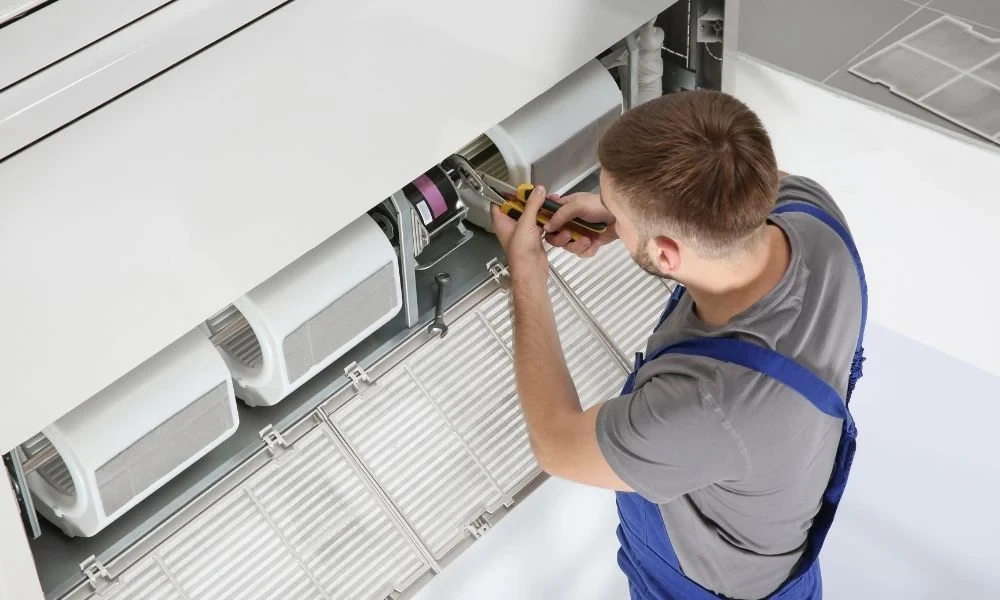
Heating and cooling systems often show signs of trouble before they stop working altogether. A furnace that struggles to maintain temperature, an air conditioner that runs longer than usual, or rooms that feel unusually humid can indicate an underlying issue. Recognizing these changes early helps homeowners address potential problems before they lead to uncomfortable indoor conditions or unexpected equipment failures.
For homeowners researching HVAC services in Brighton, MI, understanding these warning signs is a practical first step toward maintaining a comfortable home throughout Michigan’s changing seasons. Paying attention to system performance, unusual sounds, airflow, and indoor moisture can help you identify when routine maintenance may be sufficient and when a professional assessment is more appropriate.
Watch for Changes in Heating and Cooling Performance
One of the clearest signs of an HVAC problem is a noticeable change in how effectively the system heats or cools your home. If your furnace cannot maintain the thermostat setting during cold weather or your air conditioner struggles on warm afternoons, the system may not be operating as intended.
Several issues can contribute to poor performance, including restricted airflow, dirty components, thermostat problems, or mechanical faults. In some cases, the system may be working harder because the home is losing conditioned air through leaks or inadequate insulation.
Pay attention to patterns rather than assuming every temperature fluctuation indicates equipment failure. A brief change caused by an open window is different from a room that consistently remains too cold or too warm. If the problem persists despite reasonable thermostat settings, further investigation may be necessary.
Listen for Unusual Sounds and Notice New Odors
HVAC systems produce some operating noise, but sudden or unfamiliar sounds deserve attention. Rattling may indicate a loose component, while squealing can point to a problem involving moving parts. Grinding, repeated banging, or persistent buzzing may signal a more serious mechanical or electrical issue.
Do not assume that a noisy system will return to normal on its own. Turn the equipment off if you hear severe or sudden mechanical noises, and arrange an inspection rather than attempting to open or repair internal components.
Odors can also provide useful clues. A dusty smell when heating starts for the first time in a season may disappear after brief operation. However, a persistent burning odor, a strong electrical smell, or a rotten-egg smell near gas equipment requires immediate attention. Leave the area if you suspect a gas leak, avoid operating electrical switches, and contact the gas utility or emergency services from a safe location. Never ignore a carbon monoxide alarm or symptoms that could indicate carbon monoxide exposure.
Check Airflow and Temperature Differences Between Rooms
Uneven temperatures can develop when conditioned air is not reaching every room effectively. If one bedroom remains warm while the rest of the house feels cool, or certain areas receive noticeably weaker airflow, the issue may involve the ductwork, air filter, vents, or system capacity.
Start with simple checks that do not require dismantling equipment. Make sure supply registers and return-air grilles are not blocked by furniture, curtains, rugs, or stored belongings. Check the air filter and replace it if it is dirty, following the equipment manufacturer’s recommendations.
If airflow remains weak after these steps, the cause may be more complicated. Leaking or damaged ducts, a malfunctioning blower, or an improperly balanced distribution system can affect comfort. A technician can assess these possibilities and determine whether the issue requires cleaning, adjustment, repair, or another solution.
Pay Attention to Energy Bills and Longer Operating Cycles
A sudden increase in heating or cooling costs can be another warning sign, particularly when your household routines and energy rates have not changed significantly. Dirty filters, airflow restrictions, failing components, and thermostat issues can cause equipment to operate inefficiently.
However, higher bills do not automatically mean the HVAC system is defective. Michigan’s cold winters and humid summers can increase energy use even when equipment is functioning properly. Changes in utility rates, insulation, occupancy, and thermostat settings can also affect monthly expenses.
Compare bills across similar seasons and consider how often the system runs. If operating cycles become noticeably longer without a clear explanation, or the equipment repeatedly starts and stops after short periods, schedule an assessment. Frequent cycling, also known as short cycling, can reduce comfort and place additional strain on system components.
Recognize Humidity Problems and Signs of Poor Indoor Air Quality
Comfort depends on more than temperature alone. Excess indoor humidity can make rooms feel sticky, encourage condensation, and contribute to conditions that support mold growth. Very dry indoor air during winter may cause dry skin, irritated nasal passages, and discomfort.
Musty odors, recurring condensation on windows, visible moisture around vents, or persistent stuffiness deserve attention. These symptoms may relate to ventilation, moisture sources, drainage problems, or HVAC performance rather than a single equipment fault.
Homeowners exploring HVAC services in Brighton, MI may also need to consider indoor air quality when temperature problems occur alongside excess moisture or persistent airborne irritants. Depending on the cause, possible solutions may include correcting ventilation issues, improving moisture control, or evaluating suitable air-cleaning equipment.
Avoid treating humidity symptoms without investigating their source. For example, a dehumidifier may help manage moisture, but it will not correct a plumbing leak or resolve every ventilation problem.
Take Practical Steps Before Calling for Service
A few safe checks can help you identify straightforward problems and provide useful information to a technician. Focus on visible conditions and normal thermostat operation rather than attempting repairs involving electrical wiring, refrigerant, gas connections, or internal mechanical parts.
- Review the thermostat: Confirm the selected heating or cooling mode, temperature setting, and fan setting. Replace batteries if the thermostat uses them and indicates they are low.
- Inspect the air filter: Check whether it is clogged and replace it according to the manufacturer’s instructions.
- Clear vents and outdoor equipment: Remove objects blocking indoor registers or the outdoor unit. Keep the outdoor unit free of leaves and debris without opening its panels.
- Observe system behavior: Note unusual noises, odors, temperature differences, frequent cycling, or changes in operating time.
- Check for visible moisture: Look for water around the indoor unit, nearby piping, or ceiling surfaces that could indicate a drainage or plumbing issue.
If these checks do not resolve the problem, avoid repeatedly resetting the equipment or experimenting with internal components. Record the symptoms and arrange professional service.
Schedule Professional Assessment Before a Minor Issue Escalates
Some HVAC problems are difficult to identify without testing. A system may have an electrical fault, refrigerant issue, damaged component, blocked condensate drain, or another problem that is not visible during a basic inspection.
Professional assessment is especially appropriate when performance declines repeatedly, airflow remains weak, unusual sounds continue, or moisture appears near the equipment. Stop using the system and seek prompt assistance if you notice burning smells, electrical arcing, suspected gas leaks, or other immediate safety concerns.
Preventive maintenance can also help identify wear, airflow restrictions, drainage issues, and other developing concerns. Arrange heating-system maintenance before the colder months and cooling-system maintenance before summer demand increases. The appropriate schedule depends on the equipment manufacturer’s guidance, system condition, and household needs.
Final Thoughts
Recognizing changes in temperature, airflow, operating noise, energy use, and indoor humidity can help homeowners identify HVAC concerns before they significantly affect comfort. Simple checks, such as inspecting filters and clearing blocked vents, may resolve minor issues, but persistent symptoms should not be ignored.
For dependable year-round comfort, monitor your system’s performance and arrange seasonal maintenance before periods of heavy use. If warning signs continue, seekingHVAC services in Brighton, MIcan help determine the underlying cause and identify appropriate next steps before the problem becomes more disruptive.
====================================================================