
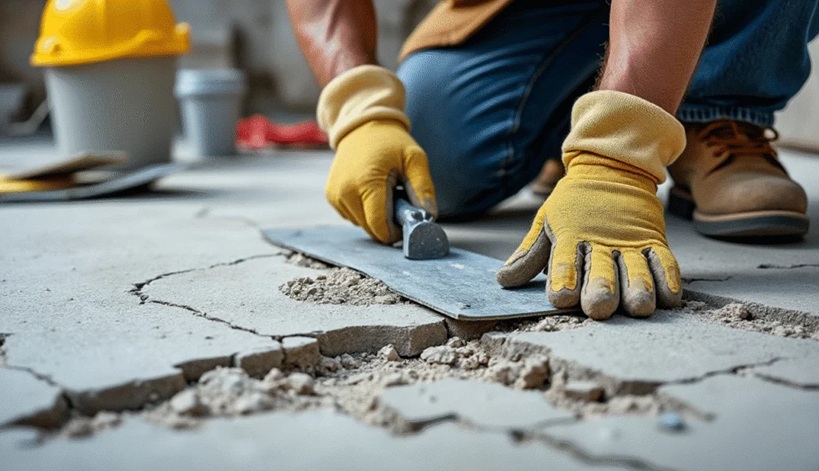
Recognising the early signs of concrete deterioration is the first step toward engaging spalling concrete repair contractors before minor damage escalates into a structural emergency. In Singapore, where buildings endure relentless heat, humidity, and heavy rainfall year-round, concrete degradation is not a question of if but when. The key lies in knowing what to look for and acting before the damage compounds.
What Is Spalling and Why Does It Happen
Spalling occurs when the surface layer of concrete breaks away, exposing the reinforcement steel within. The process typically begins with moisture penetrating the concrete cover – that protective layer between the surface and the embedded steel bars. Once water reaches the reinforcement, it triggers corrosion. As the steel rusts, it expands to several times its original volume, generating internal pressure that cracks and eventually dislodges the surrounding concrete.
In Singapore’s tropical climate, this process is accelerated by several factors:
- High humidity – Moisture is ever-present, maintaining conditions that promote corrosion
- Carbonation – Carbon dioxide from the atmosphere gradually reduces the alkalinity of concrete, stripping away the passive protection around the steel
- Chloride exposure – Buildings near the coast or those with swimming pools face additional chloride-induced corrosion risks
- Thermal cycling – Daily temperature fluctuations cause repeated expansion and contraction of both concrete and steel
Visible Warning Signs on External Walls
The most obvious indicators of spalling are visible on a building’s facade. Walk around your property and look for the following:
- Cracks running along reinforcement lines – These horizontal or vertical cracks follow the path of the steel bars beneath and indicate that corrosion expansion has already begun.
- Rust staining – Brown or orange streaks running down the face of concrete are a telltale sign that reinforcement corrosion is active.
- Bulging or delaminated surfaces – Areas where the concrete appears to push outward suggest that internal pressure from corroding steel is building.
- Exposed reinforcement – When concrete has already fallen away to reveal rusted steel bars, the damage is advanced and requires immediate attention.
- Hollow sounds when tapped – A professional will use a hammer to tap suspect areas. A hollow sound indicates that the concrete has debonded from the substrate beneath.
Mr Koh Boon Huat, a structural engineer who has assessed over two hundred buildings across Singapore, puts it plainly. “By the time concrete starts falling off, the corrosion has usually been progressing for years,” he says. “The visible damage is just the tip of a much larger problem beneath the surface.”
Signs on Ceilings and Soffits
The underside of exposed concrete elements – car park soffits, corridor ceilings, and void deck ceilings – are particularly vulnerable. These areas are often neglected because they are less visible than external walls, yet they can present serious safety hazards when concrete fragments fall.
Watch for:
- Damp patches and water stains – Persistent moisture on a ceiling soffit indicates water ingress that may be corroding the reinforcement above
- Flaking paint and plaster – Surface coatings that bubble, crack, or peel may be reacting to moisture and expansive forces beneath
- Concrete fragments on the ground – Pieces of concrete on the floor below a soffit are an urgent warning that structural repair is overdue
Balcony and Parapet Deterioration
Balconies, parapets, and ledges deserve particular scrutiny. These elements are exposed to direct rainfall on their top surfaces while their undersides remain relatively sheltered. Water that penetrates the top surface can travel downward through the concrete, reaching the reinforcement and initiating corrosion.
Concrete restoration specialists frequently encounter balcony soffits in advanced stages of deterioration because the damage is hidden from the occupant’s view. Regular inspection of these areas – ideally by qualified structural repair professionals – can catch problems before they become dangerous.
When Internal Walls Show Damage
Spalling is not limited to external surfaces. Internal walls and columns in common areas, basements, and stairwells can also deteriorate, particularly where water ingress from above has gone unaddressed. Cracks in internal concrete elements should never be dismissed as cosmetic – they may indicate underlying corrosion that compromises load-bearing capacity.
The Risk of Ignoring the Signs
Delaying repairs carries consequences that extend well beyond aesthetics. Falling concrete poses a direct safety risk to residents, visitors, and pedestrians. In Singapore, the Building and Construction Authority mandates periodic facade inspections for buildings over thirteen years old. Buildings that fail these inspections face enforcement action, and management corporations may be held liable for injuries caused by falling debris.
Beyond safety, deferred maintenance inflates costs. A small patch repair that might have cost a few hundred dollars can escalate into a building facade repair project costing tens of thousands if the corrosion is allowed to spread unchecked.
How Often Should You Inspect
For buildings over ten years old, a visual inspection of external concrete surfaces should be conducted at least once a year. Buildings in coastal areas or those with known water ingress issues may warrant more frequent checks. Professional condition surveys using tools such as covermeter testing, half-cell potential mapping, and carbonation depth analysis provide a more comprehensive picture and should be commissioned every three to five years.
Taking Action Early
The signs of concrete distress are there for those who know where to look. Cracks, stains, bulges, and hollow sounds all tell the same story – water has reached the steel, corrosion is underway, and the concrete cover is failing. Each of these indicators is a prompt to act, not a reason to wait.
For building owners and management committees in Singapore, engaging experienced spalling concrete repair contractors at the first sign of damage is both a safety obligation and a sound financial decision. The earlier the intervention, the simpler the repair – and the longer the building will stand secure.