
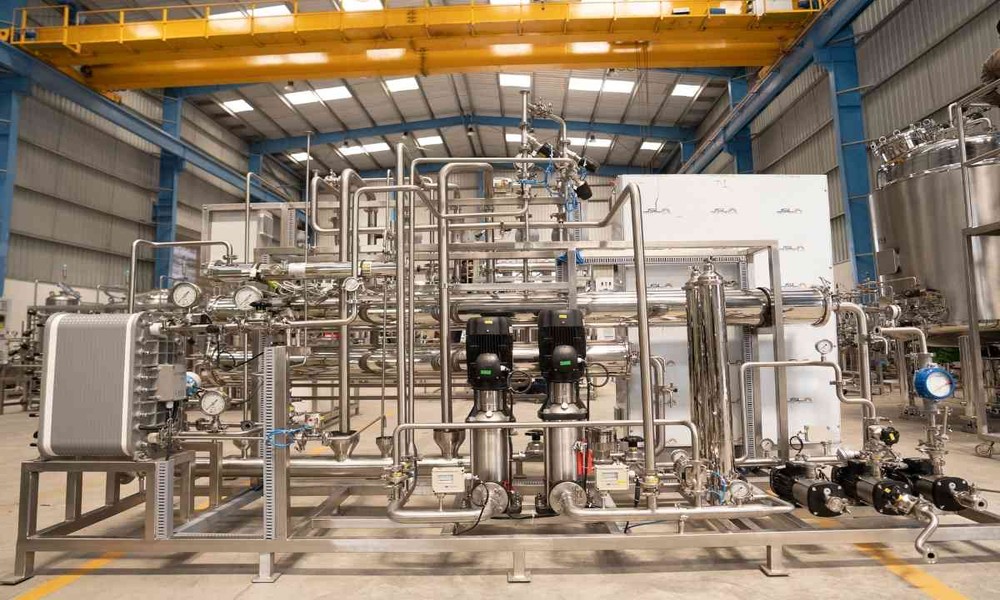
Modern industries face a complex balance today. Clean production matters more than ever. Environmental concerns shape many design choices. The need for purity also drives strict systems. These two goals often clash in practice. But both remain essential for future progress. So, industries must navigate this careful tension. The discussion now centers on lifecycle thinking. That approach evaluates impacts across every stage. It reveals hidden trade-offs within advanced systems.
The Demand for Extreme Purity
High purity systems serve critical industrial roles. Semiconductor plants depend on precise materials. Pharmaceutical production also requires strict conditions. Even minor contamination can disrupt outcomes. So, engineers design systems with tight control. Filtration and purification processes become very complex. The use of high purity water for industrial processes remains essential in many sectors. This demand drives energy use and resource consumption. The challenge grows as standards continue rising. The pressure for perfection increases operational intensity.
Life Cycle Assessments in Practice
Life cycle assessment evaluates total environmental impact. It considers raw materials and final disposal stages. This method gives a full system perspective. However, results often reveal unexpected burdens. A system may appear efficient at one stage. But hidden impacts emerge elsewhere in the chain. So, decisions become less straightforward than expected. Engineers must weigh benefits against unseen costs. The analysis includes energy inputs and waste outputs. It also tracks emissions across every phase. This approach supports informed decision making in industry.
The Sustainability Trade-Off
Sustainability aims to reduce environmental harm overall. It promotes efficiency and resource conservation. However, purity systems often consume large resources. Energy use rises due to continuous filtration processes. Water consumption also increases significantly. So, a paradox becomes clear within these systems. Achieving higher purity may reduce contamination risks. But environmental impact may increase at the same time. The trade-off challenges traditional sustainability goals. Sometimes optimization in one area creates losses elsewhere. This tension defines the core dilemma.
Innovation and Process Optimization
Industries now explore smarter system designs. New technologies aim to reduce resource intensity. Advanced membranes improve filtration efficiency. Recycling systems help reduce water waste. But innovation requires careful integration into existing systems. Engineers must ensure that purity standards remain intact. The balance between efficiency and quality becomes critical. So optimization focuses on both performance and sustainability. Digital monitoring also supports better process control. These tools allow precise adjustments in real time. The goal remains minimizing impact without losing quality.
Toward a Balanced Future
A balanced approach requires holistic thinking. Companies must consider both purity and sustainability goals. Collaboration across disciplines supports better solutions. Environmental scientists and engineers must work together closely. Now decision frameworks include broader impact metrics. These frameworks guide long term system improvements. Policy and regulation also influence industry practices. So, alignment between goals becomes more achievable. The future depends on integrated design strategies. Sustainable purity systems require ongoing innovation and evaluation.
Conclusion
The paradox between sustainability and purity will persist. Each system reflects complex technical demands. However, awareness of trade-offs supports better decisions. Industries must adapt to evolving expectations. The path forward requires thoughtful balance and innovation.