
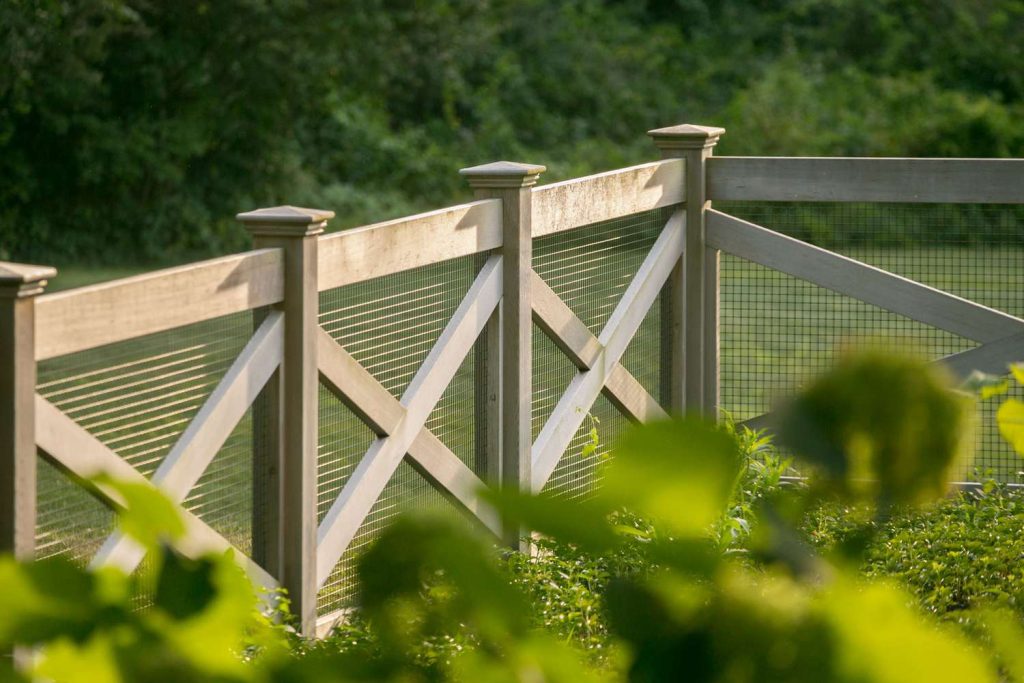
After every major storm, the phone rings. Panels down. Posts leaning. Gates twisted. It happens every year. What has changed is what homeowners say next. More often now, I hear the same line – we should have sorted this sooner. Many only start searching for fencing companies near me after damage is done, when urgent fence installation becomes unavoidable. Some look through York Fencing because they want to understand why their boundary failed while others nearby stayed standing.
From decades working as a fencing contractor across York, I can say most storm damage is not random. It exposes weaknesses that were already there. The upgrade homeowners wish they had done earlier is usually simple. Stronger posts. Better drainage. Smarter design.
Storms rarely create problems. They reveal them.
Why storm damage feels sudden but rarely is
When a panel blows out overnight, it feels dramatic. In reality, that fence has usually been under stress for years.
Posts move gradually in clay soil. Rails soften with moisture. Fixings corrode quietly.
One thing I see often on local jobs is this – the damaged section was already leaning slightly. The storm simply finished the job.
That is why preventative upgrades matter more than emergency repairs.
Clay soil and wind are a difficult combination
York’s clay soil makes fences work harder. Clay holds water through winter and softens around posts.
I usually install posts at around 600mm to 750mm depth to anchor below the most unstable layer. Older fences are often far shallower.
When wet soil reduces grip and strong wind adds pressure, shallow posts cannot cope.
Upgrading post depth and stability is often the single biggest improvement a homeowner can make.
The mistake of choosing solid panels in exposed areas
Solid panels catch wind like sails. In sheltered gardens, this may not matter. In exposed locations, it matters a lot.
From years on site, I have seen long runs of solid panels fail repeatedly on open aspects.
Hit and miss or slatted designs allow airflow. They reduce pressure on posts and rails.
Homeowners often wish they had chosen a more wind-friendly design before the last storm arrived.
Why concrete posts outperform timber in wet conditions
Timber posts rot at ground level first. That is where moisture collects.
Concrete posts remove that weak point. They resist rot and remain stable in saturated soil.
Many homeowners upgrade to concrete posts only after replacing timber posts more than once.
It is one of the most common storm-season regrets I hear.
Drainage at the base of posts is rarely considered
Poor drainage accelerates failure. If water collects around the base of a post, the surrounding soil softens.
Soft soil offers less resistance during high winds. Movement begins.
I often add gravel at the base of post holes to improve drainage. Without it, concrete can trap water around timber.
Drainage is invisible when the job is finished. During a storm, it becomes obvious.
Why shallow installation is the real weakness
Cost cutting often shows up in post depth. Shallow posts are quicker to install and use less material.
But they offer less stability. When wind hits a solid panel, load transfers to the post. If the anchor point is too shallow, movement follows.
Homeowners searching for fencing contractors near me after a storm often discover their previous fence was simply not set deep enough.
The hidden cost of repeated storm repairs
Emergency repairs feel urgent and manageable at the time. Replace a panel. Reset a post.
Do it again next year. And again the year after.
Over time, those repairs add up. They rarely improve the underlying structure.
Homeowners who review fence repair services often realise repairs make sense only if the overall framework remains strong.
If multiple posts have shifted, replacement is usually more economical long term.
Composite fencing and storm resilience
Composite fencing cost is higher than basic timber, but its performance during harsh weather changes the equation.
Composite panels do not absorb moisture. They do not warp in the same way low grade timber does.
They still rely on stable posts, but the panel itself remains consistent.
Homeowners upgrading after storms often consider composite because they are tired of watching timber degrade.
Gravel boards and ground clearance matter
Panels that sit directly on soil absorb moisture. Gravel boards lift timber clear of damp ground.
This small detail extends panel lifespan significantly.
In storm conditions, stronger lower sections reduce the risk of bottom edge failure and splitting.
It is a simple upgrade that makes a measurable difference.
Why long fence runs fail first
Long uninterrupted runs are more vulnerable. Wind pressure builds along the length.
Breaking up runs with changes in height or slight angles can reduce stress.
Homeowners often choose continuous straight runs for simplicity. After a storm, they see the downside.
Design decisions influence resilience more than most realise.
New build fencing and storm vulnerability
New build fences often use basic panels with shallow posts set into made up ground.
That ground settles unevenly. Drainage is unpredictable.
Within a few winters, movement begins. The first major storm exposes it.
Upgrading early in these properties often prevents repeat damage.
Exposure varies across York
Not every garden experiences the same wind patterns. Open developments and edges of fields take more strain.
Homeowners looking at fencing near me sometimes compare their fence to a neighbour’s and wonder why one failed and the other did not.
Exposure, soil condition, and installation quality explain most differences.
Local knowledge helps prevent repeat mistakes.
When prevention is cheaper than replacement
Preventative upgrades cost less than full emergency replacement.
Deepening posts. Switching to concrete. Improving drainage. Choosing wind-friendly designs.
These improvements extend lifespan and reduce storm vulnerability.
Waiting until panels are down often means replacing more than necessary.
The psychological shift after storm damage
After a storm, homeowners think differently. They no longer see the fence as decorative.
They see it as structural.
That shift often leads to better decisions. Stronger materials. Better installation. Longer term planning.
Why timing matters
Upgrading in dry conditions allows concrete to cure properly. Soil is firmer. Installation is more controlled.
Emergency winter work often means saturated ground and rushed decisions.
Planning upgrades before storm season produces better results.
The link between fencing and insurance claims
Some homeowners only consider fencing seriously after making an insurance claim.
Claims may cover damage, but they do not improve design weaknesses.
Using that moment to upgrade rather than replace like for like makes more sense long term.
How to assess your fence before the next storm
Walk the boundary and check:
- Does any post move when pushed?
- Are panels tight against rails?
- Is the top line straight?
- Is soil soft at the base?
- Are fixings rusting or loose?
Small issues now become major problems in strong winds.
Why the right upgrade is rarely cosmetic
Painting or staining a fence does not improve storm resilience.
Structural upgrades do. Deeper posts. Better drainage. Smarter panel design.
Homeowners exploring garden fencing options in York before storm season often focus on durability rather than appearance for the first time.
The upgrade people wish they had prioritised
From decades working across York, the upgrade homeowners wish they had done before the last storm is rarely dramatic.
It is deeper posts. Concrete instead of timber. Proper drainage. A design that works with wind rather than against it.
Storms expose weak points, but they also teach lessons. The homeowners who act before the next one arrives usually face far fewer problems when the wind picks up again.