
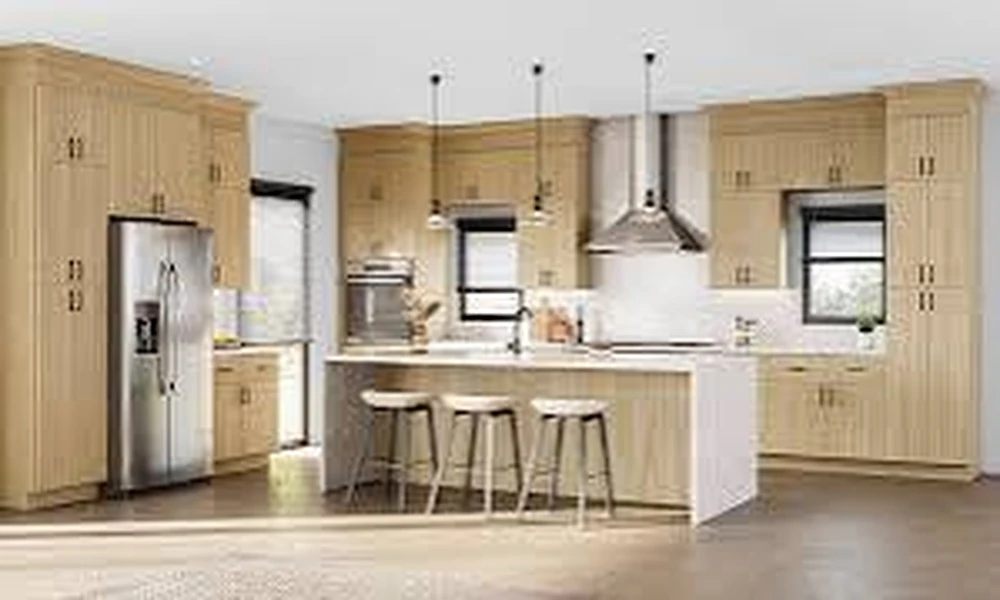
German kitchens have developed a strong reputation for combining clean design with practical engineering, but their appeal goes beyond a particular aesthetic. What distinguishes them most is the way the furniture is designed as a complete system, with cabinetry, storage and finishes developed to work together accurately and consistently.
That approach makes German kitchens particularly well suited to modern fitted spaces, where small details can have a significant effect on both appearance and usability. For homeowners comparing different options, understanding how that system works can make it easier to decide whether a German kitchen is the right choice.
Precision in the Way the Kitchen Is Made
One of the defining characteristics of German kitchen furniture is the emphasis placed on accuracy and consistency. Cabinet sizes, doors, drawers and internal components are manufactured to work together precisely, helping to create the clean lines often associated with this style of kitchen.
That precision becomes particularly noticeable in handleless designs, where the alignment of doors and drawers forms an important part of the finished appearance. It also matters in kitchens that combine tall units, wall cabinets, islands and integrated appliances, as the furniture needs to maintain a coherent look across different elements of the room.
This focus on engineering is one of the reasons German kitchens have become such a popular choice for homeowners looking for fitted furniture that balances design with everyday practicality.
More Choice Than the Minimalist Look Suggests
German kitchens are often associated with very sleek, contemporary interiors, but that can give a slightly misleading impression of the choice available. While handleless cabinetry and understated finishes remain popular, modern collections tend to offer a much broader selection of colours, textures and materials.
Matt finishes can create a softer and more restrained appearance, while wood effects introduce warmth and texture. Darker cabinetry can give a kitchen more architectural presence, whereas lighter finishes can help smaller rooms feel more open. Mixing colours or materials between an island and the surrounding cabinetry can also create contrast without making the space feel overly busy.
The flexibility of modular furniture means these finishes can be adapted to very different room sizes and layouts rather than being restricted to one particular type of property.
Practical Storage Is Part of the Design
A kitchen can look extremely simple from the outside while containing a considerable amount of carefully planned storage behind the doors. German kitchen design tends to make good use of drawers, tall cabinetry and internal organisation so that storage becomes part of the overall layout rather than something added afterwards.
Deep drawers can make pans and cookware easier to access, while tall units can bring food storage and integrated appliances together within a compact footprint. Internal organisers can help smaller items remain accessible, and carefully positioned cabinetry can reduce the number of awkward or underused spaces within the room.
The important point is that storage works best when it is planned around what actually needs to be kept in the kitchen. A large number of cabinets does not automatically create a practical room; the position, proportions and internal arrangement matter just as much.
Handleless Kitchens and Clean Lines
Handleless furniture has become one of the most recognisable elements of contemporary German kitchen design. By removing conventional handles from the front of the cabinetry, the eye follows the lines of the furniture more easily, which can make the room feel calmer and more architectural.
There are several ways of achieving this look, from recessed grip channels to push-to-open systems, and the right option depends on the furniture range and the way the kitchen will be used. Handleless design can work especially well across long runs of cabinetry or tall units, where uninterrupted surfaces create a strong visual effect.
It is not purely an aesthetic decision, however. The proportions of the doors, drawers and surrounding furniture still need to be considered carefully to ensure the design feels balanced rather than simply minimal.
Appliances Can Be Integrated More Naturally
The modular nature of German kitchen furniture also lends itself well to integrated appliances. Ovens, refrigeration and other equipment can be incorporated into tall cabinetry, while hobs and extraction can be considered as part of islands or worktop runs.
This gives designers greater freedom to think about where appliances should sit in relation to preparation areas, storage and movement through the room. Rather than starting with a fixed position for every appliance, the layout can be developed around the way the kitchen is actually going to be used.
The result is often a more cohesive room, where the furniture and appliances feel like part of the same design rather than separate components competing for attention.
Seeing the Furniture in Person Matters
Photographs are useful for establishing the overall look of a kitchen, but they rarely communicate the finer details particularly well. Cabinet finishes can appear different depending on lighting, and it is difficult to judge the feel of a door, the movement of a drawer or the quality of internal storage from an image alone.
Visiting a showroom gives you the opportunity to compare these details directly and see how different materials work together on a larger scale. At a German kitchen showroom such as Eat Soak Sleep, for example, homeowners can explore German Rotpunkt furniture alongside other kitchen styles, appliances, worktops and finishes.
That comparison can be useful even if you already have a clear idea of the style you want, because it helps turn a broad preference into more specific decisions about colour, texture, layout and storage.
Are German Kitchens Worth Considering?
A German kitchen will not automatically be the right choice for every home, but its combination of accurate manufacturing, modular flexibility and carefully considered storage makes it a strong option for many fitted kitchen projects.
The most important step is to look beyond the label and consider the individual range, specification and design. The quality of the final kitchen will depend not only on the cabinetry itself but also on how well the layout has been planned, the appliances and surfaces selected alongside it and the standard of installation.
When those elements are brought together properly, German kitchen furniture can provide a very effective foundation for a room that feels both considered and practical for many years to come.