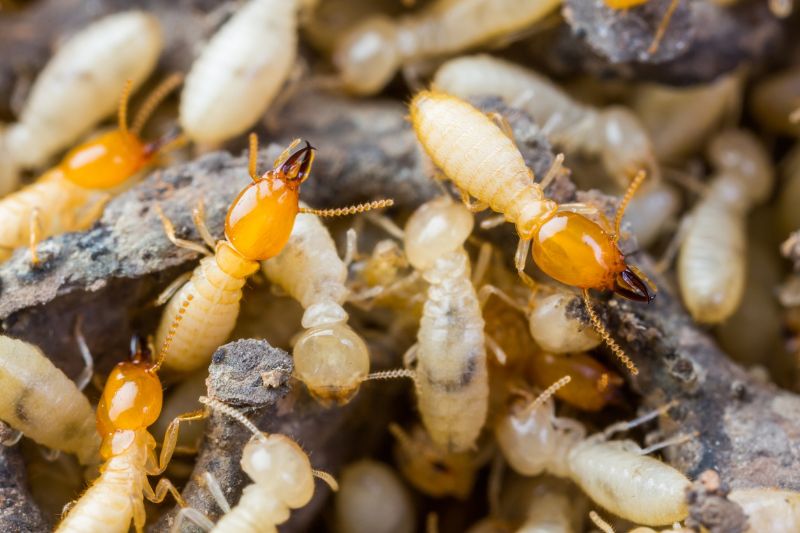
Eagle homeowners often believe that termites aren’t a problem like many areas in the southern U.S, which is unfortunately untrue. Eagle is located along the Boise River, and there are many irrigated neighborhoods, canals, and moist soil areas, which create the exact conditions that subterranean termites need to survive. Infestations are often hard to detect in the earlier stages, and residents only discover signs during remodeling and when structural wood is damaged.
Subterranean termites are the most common species, and if you want to avoid the damage caused by these pests, you need a professional service like hemipest.com that knows local issues in Eagle. We talked to the Hemi Pest Control team here, and here are some facts that are worth knowing.
Understanding Subterranean Termites
Subterranean termites live underground but reach wooden structures by building mud tubes. These pests need moisture to survive, which is why Eagle’s irrigated neighborhoods are at risk. One colony can contain thousands of termites, and damage often occurs internally, so on the surface, it is impossible to determine the infestation. Western subterranean termites are the most prevalent species in Idaho and are less aggressive than the southern species.
Eagle Properties Are Vulnerable
Extensive irrigation systems are a usual thing across Eagle, and these are responsible for ensuring moisture in the soil close to homes. Properties that are closer to open green spaces and river corridors are particularly at risk. Landscaping features like mulch beds also increase the risk, and so do unfinished basements. Typically, subterranean termites attack homes by entering through existing cracks, gaps, and expansion joints. If wooden structures are in direct contact with soil, risks multiply.
Early Warning Signs
As we mentioned, termites need to find ways to reach wood, which is why mud tubes are the most common sign, and you can find them on walls and foundation areas. If the damage is extensive, wooden structures and furniture can sound hollow when tapped, while bubbling paint and warped doors/windows are also indicators of termites. Winged termites, also called swarmers, can be spotted in spring. In Eagle, summer is when colonies continue feeding underground, and while visible signs are limited in fall and winter, termites don’t die.
DIY Termite Treatments Are Ineffective
Subterranean colonies often grow in hidden areas, and it is impossible to find them through regular checks. Yes, there are many sprays, gels, and surface treatments, but these will only treat visible termites and not nests. By the time you spot termites, you should know that the damage has extended beyond expected zones. DIY can only worsen the infestation, and in the long run, you will have to spend on extensive repairs.
Professional Termite Inspections & Treatments
When you call a pest control service, technicians will inspect the entire property, including foundation areas, moisture zones, and basements, and identify the possible causes. They will also ensure everything is documented, so that you can use the file later. The treatment process depends on the findings, but exterminators often use soil barriers and baiting systems to counter colonies. If the infestation is extreme, you may need targeted treatments for some areas. Treatment choice is dependent on several factors, including structure design, termite activity levels, and soil conditions. Termite treatments are often spaced out, which means technicians will return with a gap of two to three weeks.
Takeaways for Homeowners
Don’t assume that termites are active in Idaho. Yes, the extent of activity and sightings is comparatively lower, but your home could be at risk because of local factors. Get a professional pest control service in Eagle to inspect your property periodically, especially if the house is more than three decades old.