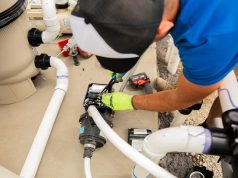
Modern backyard pools in San Antonio are no longer just about swimming-they’re becoming fully automated outdoor living systems. Homeowners want the ability to adjust water temperature from their phone, schedule pump cycles for energy efficiency, and switch lighting scenes for nighttime entertaining without ever stepping outside. This shift toward smart pool technology is reshaping how electrical systems are designed, installed, and maintained.
But behind all the convenience is a layer of electrical complexity that many homeowners don’t fully see. And that’s where choosing a qualified professional becomes critical. A San Antonio electrician who understands both traditional pool wiring and modern automation systems plays a key role in making these upgrades safe, reliable, and code-compliant.
What Smart Pool Systems Actually Do
At the simplest level, a smart pool system connects your pool’s electrical components-pump, heater, lighting, cleaning systems, and water features-to a centralized control interface. That interface is usually an app on your phone or integration with home automation platforms like Google Home or Amazon Alexa.
Instead of walking outside to flip a breaker or manually adjust a timer, homeowners can:
- Turn pool pumps on or off remotely
- Adjust water temperature settings
- Change LED lighting colors and brightness
- Schedule filtration cycles based on energy rates
- Receive maintenance alerts and system diagnostics
A San Antonio electrician working in this space typically installs the wiring infrastructure that allows all these systems to communicate safely and efficiently. Without proper electrical planning, these systems can conflict with each other or fail prematurely.
Core Components of a Smart Pool Electrical System
To understand the wiring complexity, it helps to break down the major components involved:
1. Pool Pump Automation
Variable-speed pumps are now the standard in many modern pools. They require dedicated circuits and specialized control wiring so they can communicate with automation systems rather than running on a simple on/off switch.
2. Pool Heater Integration
Gas and electric heaters both rely on control signals that must be safely integrated into automation panels. Incorrect wiring can lead to overheating, system faults, or inefficiency.
3. Lighting Control Systems
LED pool lighting often operates on low-voltage transformers, but those transformers still require correct electrical load calculations and proper grounding. Color-changing systems add another layer of digital control wiring.
4. Automation Panels
This is the “brain” of the system. It connects all pool components to a central controller, which then communicates with apps or smart home devices. A qualified San Antonio electrician ensures this panel is correctly configured, bonded, and protected from moisture exposure.
Why Wiring Complexity Increases With Automation
Traditional pool wiring was relatively straightforward: pumps had timers, lights had switches, and heaters had manual controls. Smart systems completely change that structure.
Now, instead of isolated circuits, everything is interconnected. That introduces several challenges:
- Multiple voltage levels (low-voltage controls vs. high-voltage equipment)
- Communication wiring between devices and control panels
- NEC-required bonding and grounding for safety around water
- Weatherproofing and corrosion resistance in outdoor panels
- Load balancing across circuits to prevent overloads
A San Antonio electrician must design the system so that electrical noise, voltage drop, and signal interference do not disrupt automation performance. Even a small wiring mistake can cause inconsistent pump cycles or lighting malfunctions.
Integration With Smart Home Systems (Alexa, Google Home, and Apps)
One of the biggest attractions of smart pool systems is voice and app control. Homeowners want to say, “Alexa, turn on the pool lights,” or adjust heating from their phone while they’re still inside the house.
Integration typically involves:
- Wi-Fi or wired communication modules
- Compatible automation controllers (often manufacturer-specific)
- Secure network configuration to prevent hacking or signal loss
- Proper relay switching between smart systems and high-voltage equipment
A properly trained San Antonio, Texas electrician understands how to bridge traditional electrical systems with modern IoT (Internet of Things) devices. This is not just wiring-it’s a hybrid of electrical work and network configuration.
One common issue is weak Wi-Fi signal in backyard equipment areas. In those cases, the electrician may need to coordinate with network professionals or install signal extenders to maintain stable communication between devices.
Safety Considerations Homeowners Often Overlook
Water and electricity are always a sensitive combination. Even with modern automation, safety standards remain strict for good reason.
Some key safety concerns include:
- Proper GFCI protection for all pool-related circuits
- Bonding all metallic components to prevent stray voltage
- Weather-rated enclosures for automation panels
- Correct separation of low-voltage and high-voltage wiring
- Compliance with Texas electrical code requirements
A Texas licensed San Antonio electrician is trained to handle these safety requirements, ensuring the system is not just functional but also safe for long-term use. Skipping or improperly installing any of these protections can create serious hazards around a wet environment.
Is This a DIY Project for Handy Homeowners?
This is where things get important. Many homeowners in San Antonio are highly capable DIYers and may feel confident handling basic electrical tasks. However, smart pool systems are not simple plug-and-play installations.
On the surface, installing a control panel or wiring a pump might look manageable. But once automation is involved, the complexity increases significantly:
- Incorrect wiring can damage expensive pool equipment
- Voltage mismatches can destroy control boards
- Improper grounding can create shock hazards
- Software configuration errors can prevent the system from functioning at all
Even experienced DIY homeowners often underestimate the coordination required between electrical systems, plumbing equipment, and smart home software.
While minor tasks like replacing pool lights or updating app settings might be reasonable for a homeowner, full installation is generally not recommended as a DIY project. A licensed San Antonio electrician ensures the system is installed correctly the first time, avoiding costly repairs or safety issues later.
When You Should Call a Texas Licensed Electrician
There are clear situations where professional help is not just recommended-it’s essential:
- Installing a new pool or upgrading an existing electrical system
- Adding automation to an older pool system
- Replacing pump or heater wiring with smart-compatible controls
- Integrating pool systems with whole-home automation
- Troubleshooting inconsistent or unsafe electrical behavior
A professional San Antonio, Texas electrician doesn’t just install wires-they design the system so it operates efficiently, safely, and reliably for years.
They also understand how to future-proof installations, making it easier to upgrade components later without redoing the entire electrical setup.
The Long-Term Value of Professional Installation
Smart pool systems are not cheap investments. Pumps, heaters, LED lighting, and automation panels can add up quickly. The last thing any homeowner wants is to damage that investment due to improper wiring or configuration.
A properly installed system delivers:
- Lower energy costs through optimized scheduling
- Longer equipment lifespan due to correct load management
- Fewer maintenance issues and error codes
- Seamless smart home integration
- Safer operation around water and outdoor environments
A skilled San Antonio electrician brings both technical expertise and code knowledge to ensure everything functions as intended-not just on day one, but for years of use.
Final Thoughts
Smart pool systems represent the future of outdoor living in San Antonio. They combine convenience, energy efficiency, and modern technology into a single integrated experience. But beneath that convenience is a highly technical electrical system that requires careful planning and precise installation.
While DIY enthusiasm is understandable, pool automation is one area where professional expertise truly matters. A Texas licensed San Antonio electrician ensures that pumps, heaters, lighting, and smart controls all work together safely and reliably.
In the end, the goal isn’t just to have a smarter pool-it’s to have a system you can trust every time you step outside or tap your phone.