The outside of a home is a set of small spaces, and each one calls for its own kind of light. Treating the whole exterior as one big job usually leads to too many fixtures in the wrong places. Thinking in zones is simpler and gives a better result. If you want ideas for fixtures as you read, a guide to the best outdoor lights is a useful companion.
The front entry
This is the main welcome. Use one or two wall-mounted fixtures beside the door, or a ceiling fixture on a covered porch. Keep the light warm and make sure the house number is visible. A fixture placed too high leaves the face of a visitor in shadow, so mount it near eye level.
Walkways and steps
Steps are where falls happen, so light them clearly. Small step lights or low path lights show each edge without glare. Space them so the pools of light slightly overlap and the path has no dark gaps.
The driveway and garage
Here you want practical brightness, ideally from a shielded fixture that points down. A motion-activated light above the garage gives security without lighting the street all night.
The patio and deck
This is where people relax, so aim for a soft, layered glow. String lights, wall sconces and a lamp on a table can all work together. Dimmers make it easy to go from dinner-party bright to quiet evening.
The garden
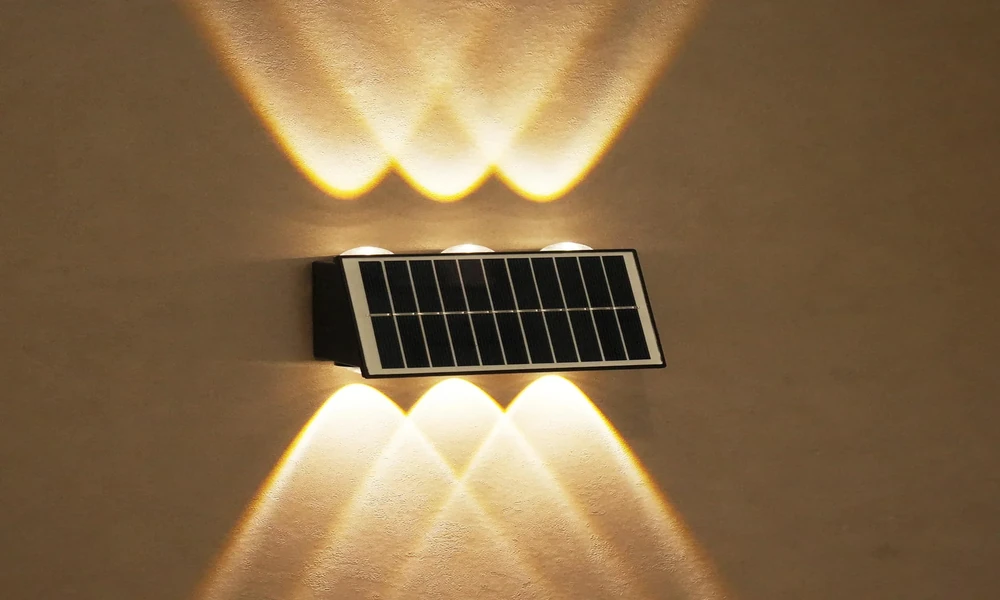
Highlight one or two features, such as a small tree or a textured wall, rather than lighting everything. Up-lighting from a low fixture adds depth. Keep the beam narrow and away from the sky.
Principles that apply everywhere
Across all these zones, the same rules help. DarkSky International’s five principles suggest lighting only where it is useful, aiming it carefully, keeping it at a low level, controlling when it runs, and choosing warm color. Following them takes little effort and gives a calmer, more comfortable result and less wasted energy.
Choosing fixtures
When you start shopping, compare finishes, sizes and styles. A good overview of the best outdoor lights can show you what is available and help you narrow the list before you buy.
Quick checklist
– One fixture style repeated across zones
– Shielded fixtures aimed downward
– Timers or sensors for anything that does not need to stay on
– A weather rating that matches where each fixture sits
Think about the sequence of light
When someone arrives at night, they move from the street to the driveway, along the path and up to the door. The lighting should guide them through that sequence without any sudden jumps from dark to glaring bright. Gradual, even transitions are easier on the eyes and feel more welcoming. If one stretch is much brighter than the next, the eye struggles to adjust and the darker area feels unsafe.
Mix functional and decorative light
Functional lights show the way and deter trouble. Decorative lights add mood. Keep the functional ones simple and reliable, with sensors where useful, and use decorative fixtures sparingly so they stand out. A few lanterns on the patio or a gently lit tree can make the yard feel like an extra room.
Review the plan each season
Plants grow, furniture moves and daylight hours change. Once or twice a year, walk the property after dark and see what has changed. Trim branches that block a fixture, reaim lights that have drifted and swap any failing bulbs. Small adjustments keep the whole layout working the way you first planned it.
Lighting the exterior well takes a little planning, but it is rewarding. A thoughtful layout makes the house safer, more inviting and easier to enjoy after dark.