


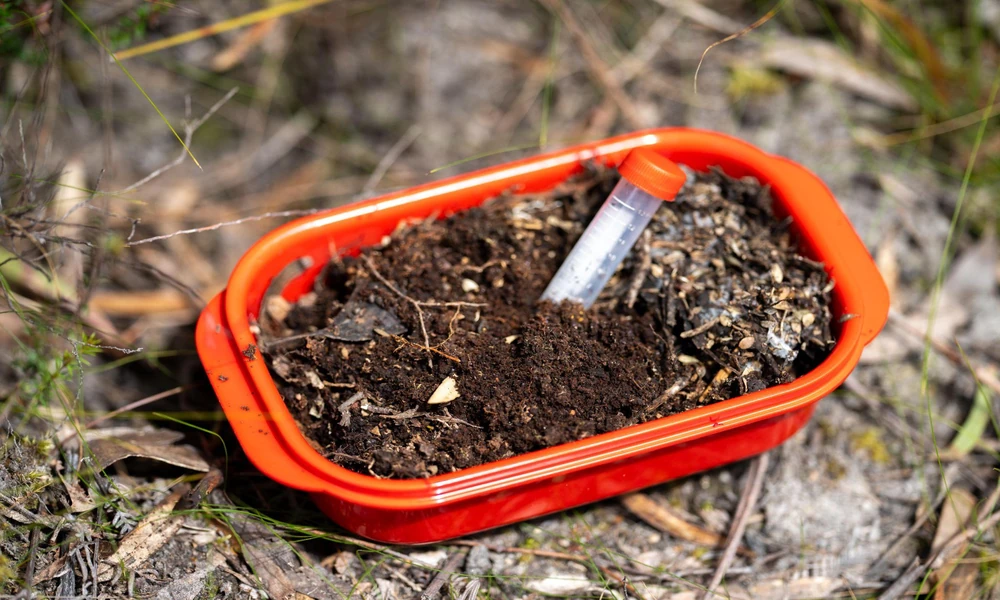
In-ground bait stations are often installed around a building’s perimeter as part of a long-term termite management plan. Since they sit quietly in garden beds and along walls, they are easy to forget about until a gardener digs too close or a contractor starts excavating. That said, if you have stations installed by a pest control company in Singapore, knowing what happens when they are moved, damaged or buried can help you respond quickly and avoid gaps in protection.
How Bait Stations Work Below Ground
Bait stations rely on termites finding them naturally while foraging through the soil. The system depends on several conditions staying stable over time:
- Each station sits in the soil at a fixed point, usually spaced evenly around the building.
- Stations often start with a monitoring device or wood stake before active bait is added.
- Termites discover the station while foraging and begin feeding on the material inside.
- Workers carry the active ingredient back to the colony, gradually affecting other members.
- Technicians inspect stations at regular intervals to check for activity and replenish material.
- The bait works slowly, often over weeks or months, so continuity matters.
When any of these conditions change, the station may stop doing its job.
What Disturbance Can Do to a Station
The effect of disturbance depends on what happens to the station and how long the problem goes unnoticed. Common outcomes are described below.
Moved or Dislodged Stations
When a station is lifted or shifted, termites that were feeding at that spot may lose their connection to the bait inside. Moving a station can lead to issues like these:
- Foraging tunnels leading to the station being broken.
- Termites abandoning the station and searching for food elsewhere, possibly closer to the building.
- Gaps in the perimeter where no station is positioned.
- Inaccurate inspection records if the station’s location no longer matches the site plan.
Damaged or Crushed Stations
Heavy tools, machinery or vehicles can crack station casings or lids, leaving the termite bait exposed to soil and moisture. Damage of this kind often causes problems such as these:
- Soil, water or debris entering the station and spoiling the bait material.
- Lids that no longer seal, making it harder for technicians to inspect.
- Exposure of the active ingredient to the surrounding environment.
- Broken plastic edges that could injure pets or children in the garden.
Buried or Covered Stations
New paving, garden beds, turf or construction materials can cover stations completely. When this happens, the following may occur:
- Technicians can no longer locate or access the station for inspections.
- Changes in soil level or compaction may discourage termites from foraging nearby.
- Concrete or paving over the area may hide termite activity close to the building.
Steps to Take After a Disturbance
If you notice that a station has been moved, damaged or covered, early action can limit any gap in protection. Practical steps include the following:
- Leaving the station in place if it is still intact, rather than trying to reposition it yourself.
- Taking photos of the station and the surrounding area.
- Contacting your pest control provider to arrange an inspection or replacement.
- Asking the provider to update the site plan if stations need to be relocated.
- Letting gardeners and contractors know where other stations are located before work continues.
Keeping the Perimeter Intact
Bait stations work only when they stay in place, intact and accessible. Moving, damaging or burying them can interrupt feeding, create gaps and leave parts of the building unprotected. Sharing station locations with anyone working on the property, and reporting any disturbance promptly, helps keep the system working as intended. Planning garden or building works around the station layout from the start can avoid most of these problems.
Connect with Rentokil to inquire about checking or relocating your termite bait stations.