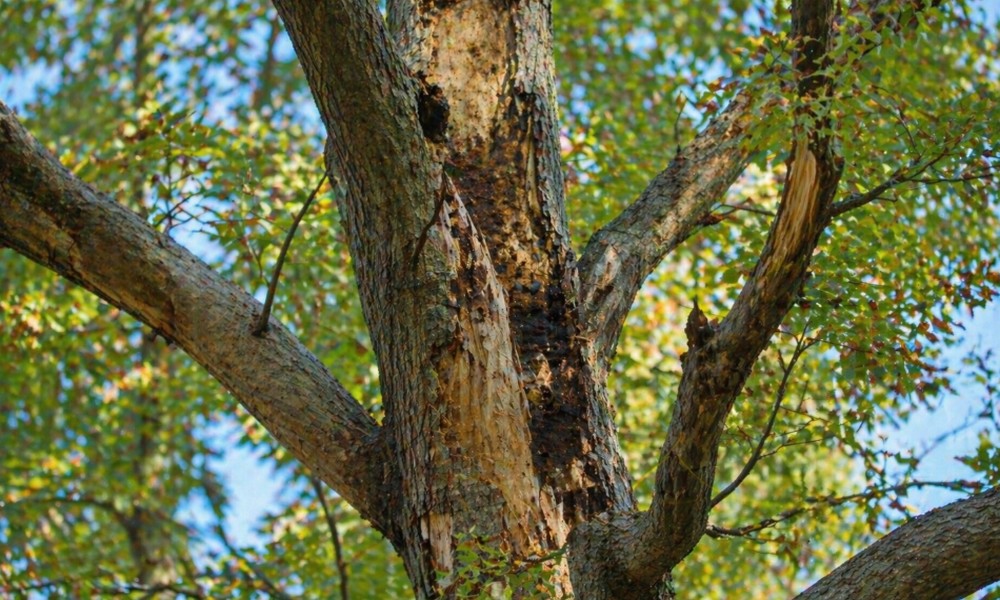
Trees add shade, beauty, privacy, and value to a property. They help cool outdoor spaces, soften the look of a yard, and make a landscape feel more complete. But like any living thing, trees can become stressed or sick.
The difficult part is that tree disease is not always obvious at first. A few dead leaves, thin branches, bark spots, or early leaf drop may not seem like a big deal. Many property owners ignore the signs because the tree still looks “mostly fine.” Then, after a few months or another season, the tree starts to look weak, uneven, or badly damaged.
That is where tree restoration can help.
A diseased tree does not always need to be removed right away. In many cases, early care can slow the spread of disease, reduce stress, and help the tree recover. Of course, not every tree can be saved. Some damage goes too far. But many common tree diseases can be managed when the problem is caught early and handled the right way.
What Does Tree Restoration Mean?
Tree restoration is the process of improving the health, structure, and growing conditions of a damaged or stressed tree. It is not usually one single treatment. It often includes a mix of care steps based on what the tree needs.
A tree restoration plan may include:
- Careful pruning
- Soil improvement
- Better watering habits
- Root zone care
- Mulching
- Pest or disease management
- Removing dead or infected branches
- Long-term monitoring
The goal is not only to hide the visible problem. The bigger goal is to reduce stress on the tree and support its natural ability to recover.
This matters because tree diseases often attack trees that are already weak. Poor drainage, compacted soil, drought, storm damage, root injury, and bad pruning can all make a tree more vulnerable. Restoration gives the tree a better chance to fight back.
Why Tree Diseases Spread So Easily
Tree diseases are often caused by fungi, bacteria, or other harmful organisms. These diseases can spread through wind, rain, insects, soil, roots, or dirty pruning tools. Some diseases enter through wounds in the bark, branches, or roots.
This is why two trees in the same yard can react differently. One may stay healthy while another starts to decline. The weaker tree may already be dealing with poor soil, too much water, not enough water, root damage, or another hidden problem.
Tree restoration helps by reducing those stress factors. A healthier tree is usually better able to resist disease than a tree that is already struggling.
Common Tree Diseases Restoration Can Help Manage
1. Anthracnose
Anthracnose is a common fungal disease that affects many shade trees. It often shows up as dark leaf spots, curled leaves, early leaf drop, and twig dieback. During wet spring weather, it can spread quickly and make a tree look worse than it really is.
Tree restoration can help by removing infected twigs, cleaning up fallen leaves, improving airflow through the canopy, and supporting stronger growth. In many cases, the tree can produce new leaves once conditions improve.
2. Powdery Mildew
Powdery mildew looks like a white or gray powder on leaves, stems, or new growth. It is common in warm, humid areas, especially where air circulation is poor.
This disease does not always kill a tree, but it can weaken new growth and make the tree look unhealthy. Restoration may include thinning crowded branches, improving sunlight exposure, and creating better growing conditions.
If powdery mildew keeps coming back every year, the tree may need a more consistent care plan.
3. Root Rot
Root rot is one of the more serious tree diseases because it starts underground. By the time signs appear above ground, the roots may already be damaged.
Root rot is often linked to too much water, poor drainage, compacted soil, or overwatering. A tree with root rot may show yellowing leaves, slow growth, branch dieback, or a general weak appearance.
Tree restoration can help if the damage is not too advanced. The first step is usually fixing the soil and water issue. This may include improving drainage, reducing excess watering, loosening compacted soil, and adding mulch properly.
Root care is very important. If the roots stay wet and stressed, the tree has little chance of recovering.
4. Canker Diseases
Cankers are dead or damaged areas on branches, trunks, or stems. They may look sunken, cracked, discolored, or swollen. Some cankers may also ooze sap or fluid.
Canker diseases often enter through wounds caused by storms, pruning cuts, insects, or mechanical damage. Over time, cankers can block the flow of water and nutrients. This can lead to branch dieback above the infected area.
Restoration can help by removing infected limbs, improving tree health, and preventing new wounds. Clean pruning cuts and proper sanitation matter a lot because disease can spread through tools and infected plant material.
5. Leaf Spot Diseases
Leaf spot is a general name for several diseases that cause dark, brown, black, or yellow spots on leaves. In mild cases, it may only affect appearance. In serious cases, repeated leaf loss can weaken the tree over time.
Tree restoration for leaf spot usually focuses on cleanup and prevention. Removing fallen leaves, improving airflow, avoiding overhead watering, and supporting soil health can help reduce future infection.
A healthy tree can often handle some leaf spot. A stressed tree may not recover as easily.
6. Verticillium Wilt
Verticillium wilt is a fungal disease that affects many types of trees. It can cause wilting, yellowing leaves, branch dieback, and sudden decline. Sometimes, the damage starts on only one side of the tree.
This disease is difficult because it lives in the soil. It cannot always be fully removed. Still, restoration may help manage the problem in some cases.
Pruning dead wood, reducing stress, improving watering, and supporting healthy growth can sometimes slow the decline. The tree may not fully recover, but proper care can help extend its life and improve safety.
Signs a Tree May Need Restoration
A tree does not need to look completely dead before it needs help. In fact, restoration works best when the tree still has enough strength to respond.
Watch for signs such as:
- Thinning leaves
- Dead or dying branches
- Early leaf drop
- Cracked or peeling bark
- Mushrooms near the base
- Weak new growth
- Leaning or shifting
- Soft or damaged wood
- Spots on leaves
- Unusual sap or oozing
- Branches dying on one side
Some of these signs may point to disease. Others may point to stress, pests, root issues, or poor soil. Either way, they are worth checking.
Why Early Action Matters
Tree disease usually does not fix itself. Some problems move slowly, while others spread fast. Waiting too long can make the difference between saving part of the tree and removing the whole tree.
Early restoration can help protect nearby trees too. Some diseases spread through spores, insects, roots, or shared soil conditions. If one tree is infected and ignored, the problem may not stay in one place.
Acting early gives you more options. It also helps avoid bigger safety risks later, especially if the tree is near a home, driveway, fence, or walking area.
Final Thoughts
Common tree diseases can make a healthy-looking tree decline faster than many people expect. The good news is that tree restoration can help manage many of these problems, especially when the warning signs are caught early.
Good restoration does not only focus on leaves or branches. It looks at the whole tree, including the roots, soil, water, structure, and stress factors. That full-picture approach gives the tree a better chance to recover and stay safe.
If a tree starts to look sick, it is better not to guess. Look for the cause, take the signs seriously, and address the issue before the damage becomes harder to reverse.
This post was written by a professional arborist at Tree Service Company St Petersburg FL. Robert Miller is the owner of Arbor Wise Professional Tree Care, a locally owned and operated tree service company that offers superb lawn care by the most experienced Arborists. Arborwise Tree Services is a tree removal company that offers stump removal, tree pruning, stump grinding, fertilization, and tree restoration. We have an extraordinary lawn care industry notoriety covering the Pinellas county area.