Most furniture looks fine from a distance. The real quality gap shows up when you use a piece daily for a year: a drawer that starts to bind, a leg joint that develops a creak, a surface that splits around a fastener head that was never the right choice for the job. These aren’t random outcomes. They follow from decisions made early in the build, often before a single piece of wood has been cut.
Understanding what those decisions are and why they matter, is the difference between a piece that holds up and one that merely holds together.
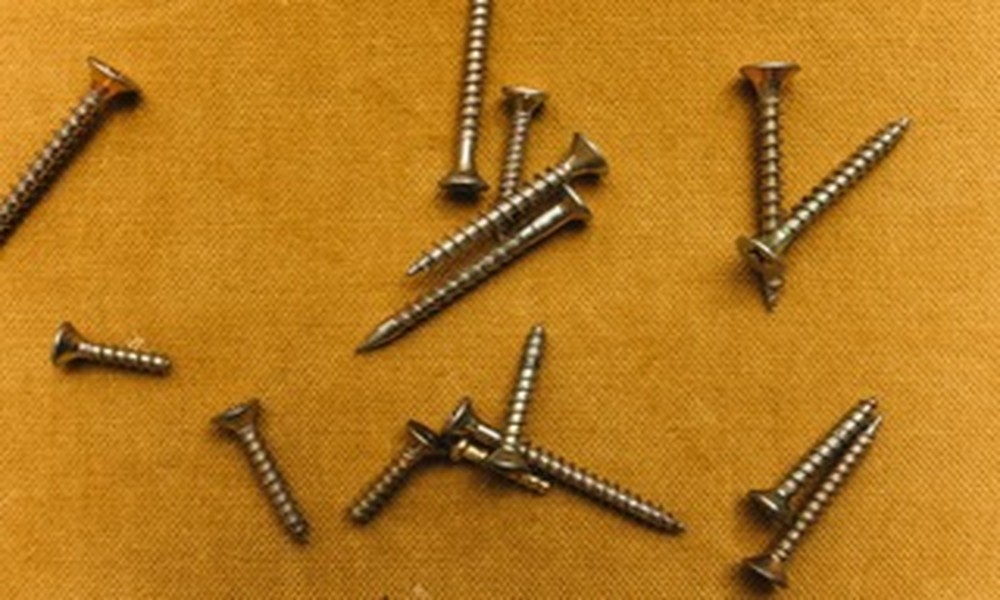
The choice of fastener is one of the most underestimated variables in furniture construction. For any build where the finished surface is visible, large screw heads are a liability. They require filler, they telegraph through paint, and on natural wood they disrupt the grain pattern in a way that looks amateur regardless of how well everything else is executed. Trim head screws solve this directly: the smaller head sits flush or just below the surface without needing to be countersunk deep, and leaves far less material to fill or hide. For cabinetry, molding, built-ins, and fine furniture assembly, that smaller footprint is not cosmetic; it affects how the surface behaves over time as wood expands and contracts with humidity.
Joinery Choices That Actually Carry Load
The strength of a furniture joint comes from surface contact and mechanical resistance, not from how much adhesive you apply. Pocket joinery, when done correctly, creates strong, repeatable connections that are well-suited to face frames, drawer boxes, and rail-to-leg assemblies. The keyword is “correctly”; the screw needs to be the right diameter and length for the stock thickness, and the pocket itself needs to be clean.
When to Use Mortise and Tenon Instead
For pieces that will take significant racking force, such as chairs, stools, and anything people lean or push against, mortise and tenon joinery distributes stress across a much larger glue surface. No screw-based system replaces that for structural members under dynamic load. Knowing which joints belong where prevents over-engineering some connections while under-building others.
Surface Prep Is Not a Final Step
One of the more common mistakes in furniture builds is treating surface preparation as a finishing stage rather than an ongoing process. Grain raising, for instance, happens whenever raw wood gets wet, whether from a water-based finish or ambient humidity. Raising the grain intentionally with a damp cloth before the first coat, then sanding back once dry, produces a dramatically smoother result than sanding after the finish has already locked raised fibres in place.
Wood movement is also a factor that catches out a lot of DIY builders. According to the American Wood Council, wood can shift by roughly 1% in dimension for every 4% change in moisture content across the grain, enough to crack a tabletop or open up a joint if the build didn’t account for it. Star Fasteners Plus addresses this on the fastener side with thread geometries engineered to maintain holding power as wood shifts seasonally rather than gradually working loose.
Hardware Finish Matching
Pulls, hinges, and other hardware should be selected before the piece is built, not after. The reveal depth of a hinge, for example, affects how much clearance the door needs. Choosing hardware late often means compromising on one or the other.
The best furniture builds are not the ones with the most steps; they’re the ones where each step was chosen deliberately.