Drive through almost any subdivision in Fishers, Noblesville or Westfield that went up during the county’s big growth years and you will notice a pattern. One house on the block suddenly looks crisp, with deeper color and sharper shadow lines, while its neighbors look a little chalky and tired. That newly resided home is usually the first sign that a whole street of builder grade vinyl is approaching the end of its useful life at roughly the same time.
Thousands of Hamilton County homes were finished with the thinnest vinyl panels a builder could use while still passing inspection. That made sense when lots were selling fast and budgets were tight. Twenty to thirty Indiana winters later, those panels have been through plenty of hailstorms, summer sun and subzero mornings, and many are showing it.
Choosing a Hamilton County siding contractor who also understands roofing and gutters makes a difference when that time comes, since the siding has to tie into both. The team at harberexteriors.com installs vinyl, fiber cement and insulated siding from a home base in Cicero, and the business is family run with a veteran owner. They also offer honest estimates without pressure and handle insurance claims when hail is what pushed the siding past its limit.
How Thin Vinyl Tells You It Is Tired
Builder grade panels are often close to the minimum thickness allowed by the industry standard, around four hundredths of an inch or a hair less. Premium lines run noticeably thicker. That small difference shows up years later in how the wall looks and behaves.
The Chalk Test
Rub your palm across a south or west facing wall. A white or pastel residue on your hand means the surface is oxidizing under UV exposure. Some chalking is normal for older vinyl, but heavy chalking paired with visible fading tells you the pigment is breaking down.
Waves That Were Not There Before
Thin panels can ripple and bow, especially on walls that bake in afternoon sun. Sometimes this comes from nails driven too tight during the original install, which stops the vinyl from expanding and contracting freely. Either way, once the waviness sets in, it rarely goes away.
Cracks After Cold Snaps
Vinyl gets more brittle as it ages and as temperatures drop. A stray baseball, a lawnmower flinging gravel or a January hailstorm can punch holes or crack panels that would have flexed a decade earlier. If you find several small cracks after one rough winter, the material has lost much of its impact resistance.
Trouble You Cannot See From the Lawn
Loose panels, soft spots under windows and mildew that keeps returning on the north side all hint at moisture getting behind the cladding. Original housewrap in production homes was sometimes stapled up in a hurry with gaps around penetrations, so a problem behind the siding is worth investigating before new panels go up over it.
Three Directions an Upgrade Can Take
Once replacement is on the table, most Hamilton County homeowners end up weighing three paths.
Thicker Vinyl
Premium vinyl keeps the low maintenance appeal that made builders choose vinyl in the first place, but with stiffer panels that hold a straighter line and stand up better to impact. Many lines now carry color retention certifications, which matters on homes with a lot of sun exposure. The Polymeric Exterior Products Association, which now oversees the Vinyl Siding Institute program, explains how third party certification of siding products verifies panels against ASTM standards for wind load, impact and weathering. Checking for that certification label is an easy way to avoid paying for a premium name on a product that was never tested.
Insulated Vinyl
Insulated siding bonds a contoured foam backer to the panel. Certified insulated products must reach at least R-2.0, which adds a modest layer of continuous insulation over the studs. Beyond the energy savings, the foam makes panels feel more solid, resists denting and helps the wall look flatter. For two-story colonials that get hit by winter wind, many homeowners notice the difference in drafts near outlets and baseboards.
Fiber Cement
Fiber cement offers a wood-like look, real shadow lines and strong resistance to fire, rot and pests. It weighs far more than vinyl, costs more to install and needs painting every so often unless you choose a factory finish. Some newer neighborhoods in Carmel and Westfield already lean toward it, so a switch can help an older home fit the look of the surrounding market.
Getting the Neighborhood on Board
Much of Hamilton County lives under homeowners associations, and many of them have architectural review committees that must approve exterior changes before work begins. Starting without approval can lead to fines or even a demand to redo the project, so this step belongs early in the planning rather than the week before installation.
Review committees usually want to see some combination of the following.
- The exact product line and manufacturer, along with the color name as it appears in the brochure
- Physical samples or photos showing the profile, such as Dutch lap, clapboard or board and batten
- Trim, soffit and fascia colors so the board can judge the whole palette at once
- Any change in material, for instance switching from vinyl to fiber cement or adding shakes in the gables
- A rough timeline and the name of the installer
Some associations limit color choices to a set palette so streets stay cohesive. Others are more relaxed but still care about consistency with neighboring houses. Reading the covenants early saves a lot of back and forth later. It also makes sense to check with your city or town’s building office, since permit rules for exterior work vary between Fishers, Carmel, Noblesville and the unincorporated parts of the county.
What Belongs Behind the New Panels
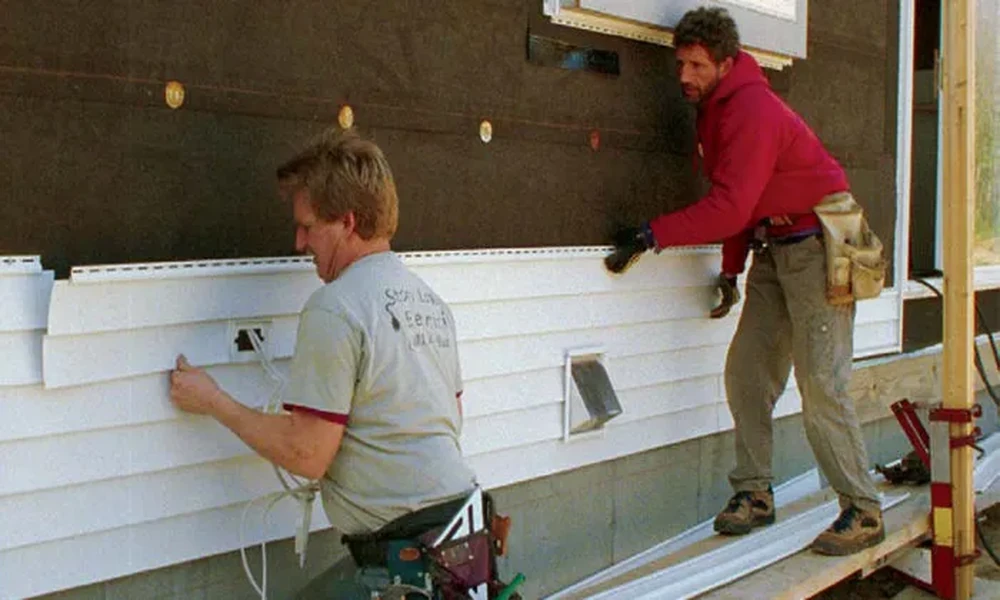
A new exterior is the best chance you will get to fix what sits underneath it. Once the old vinyl comes off, a good crew looks at the sheathing for soft or stained areas, especially below windows and where lower roofs meet walls. Rotted sections should be replaced, not covered.
Fresh housewrap should be lapped so water always flows outward and down, with seams taped and openings properly flashed. Window and door surrounds deserve particular attention, since that is where water most often sneaks in on production homes. Where a lower roof meets a wall, kickout flashing should send water into the gutter rather than down the siding.
Soffit and fascia often get replaced at the same time. Vented soffits help the attic breathe, and aluminum fascia wrap protects wood that might otherwise rot behind gutters. Doing it all together avoids the awkward look of crisp new siding beside faded, dented trim.
Picking the Right Season
Siding can go up most of the year in central Indiana, but conditions do matter. Vinyl is more brittle in deep cold, which makes it easier to crack during handling and cutting, so crews take extra care in midwinter. Fiber cement work slows down when it is wet, especially if paint or caulk is being applied on site.
Late spring and early fall tend to be the sweet spots, with moderate temperatures and fewer storms. Those windows also fill up quickly, especially after a big hail event leaves dozens of homes in the same neighborhood with insurance claims at once. Planning a few months ahead gives you time to settle on color, clear HOA approval and lock in a schedule before the busy stretch.
Looking Past the First Impression
When builder grade siding finally gives out, it is tempting to treat the project as a cosmetic refresh. In practice, it is closer to resetting the clock on the whole wall. Thicker or insulated panels, sound housewrap, proper flashing and matching trim all work together, and skipping any one of them can shorten the life of the rest. Taking time to choose the right material and fix what lies beneath means the next owner of that house will not be the one walking the block wondering why their walls look tired.