Selecting a solid surface to create a driveway or small parking area is a long-term decision. Asphalt and concrete both can perform well with use, but they behave differently, especially with seasonal changes and traffic. This article will compare materials, maintenance, and long-term costs so that a DIY-minded property owner can plan well.
Materials Head-to-Head
While both surfaces start with good sub-surfaces, their performance on a daily basis is very different. Asphalt (https://en.wikipedia.org/wiki/Asphalt_concrete) is flexible, petroleum based; concrete is rigid, cement based. Those fundamental differences dictate how each surface looks, how they allow heat and cold to penetrate, and how quickly each surface can be put into use.
- Installation time: Asphalt opens to traffic in a day or two; concrete usually needs a few days of cure time. This makes asphalt very appealing when your time is limited and downtime is costly.
- Weather performance: Asphalt does a better job taking freeze-thaw cycles and overall heat because of its flexibility; concrete does better in very hot climates, where not softening is important.
- Looks and colors: Yes, concrete has many decorative finish and color options, Asphalt has a very uniform black surface which offers many people a clean simple line.
- Sound and traction: Brand new asphalt under tires sounds a little quieter. Broom finished concrete provides good traction in all scenarios and especially uphill.
- Repair types: Asphalt repairs easily blend with asphalt resurfacing or an asphalt patch. Concrete repairs can appear attractive and long lasting but may likely be more visible.
“Is Asphalt More Eco-Friendly?”
We found no clear winners, because “eco-friendliness” is dependent on what is being measured. Asphalt contains a high percentage of reclaimed asphalt pavement (RAP) in many areas; it can be reheated and reused over and over again, because of the chemical attributes inherent to asphalt. Likewise, concrete can be recycled, if broken down to the aggregates (and often has a much higher albedo, reflecting more sunlight, to possibly affect heat-island effects environmental overlays, compared to dark pavements).
Transport distance, proximity to local plant technology, and design thickness will all influence footprint. Permeable forms of both materials could be engineered to affect runoff as intended. In summary, generally, the greener option would be with either material that suits local supply chains, and will be built to last, with proper base preparation.
Maintenance Demands Explained
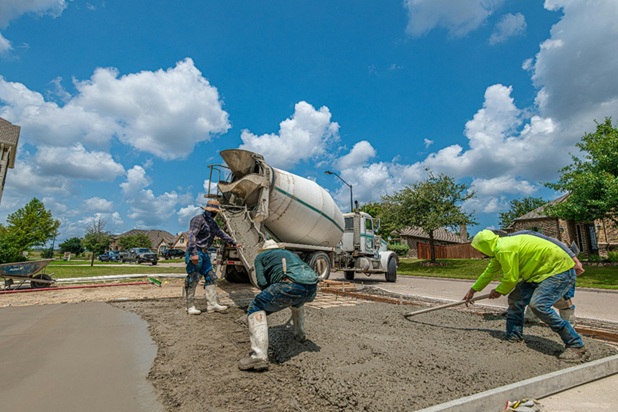
All pavements can be enhanced with proactive care. For asphalt pavements, securing the asphalt surface to extend durability can be achieved via routine crack sealing and sealcoating (every several) years to limit oxidation and water infiltration. Where potholes develop, it is usually a quick patch repair; similarly, a thin asphalt overlay can renew an asphalt surface, without full depth replacement, if the asphalt base is found with integrity.
Concrete maintenance isn’t as frequent but is generally much more specialized. Joints should be sealed to inhibit water intrusion; spalls, or scaling, likely require repair materials that perform under freeze-thaw or de-icers. When sections do fail it is not uncommon to replace slabs at the pavement level. When owners may need repair, or add, a pavement feature, many ask a licensed paving contractor to examine their installation; for structural repairs for concrete pavements, a local concrete contractor Vacaville can look at any required reinforcement, the joint layout, and site drainage.
For the do-it-yourself owner, seasonal sweeping or de-icing options, and more rudimentary crack filling are doable. Three departure signs are indicative of needed repairs: base movement, drainage deficiencies, and widespread cracking – indicating subgrade failure that needs professional attention. Early intervention on small problems keeps budgets consistent and service life extended.
Long-Term Budget Outlook
The initial price is often on asphalt’s side as contract and material costs are generally less expensive, plus they can install quickly will keep your site out of service for less time. As time continues on, you will expect to seal every few years and perform more frequent minor repairs to the surface. These predictable repairs will maintain asphalt’s performance, but they are still a recuring line item in a budget.
Concrete (read more here) is typically more expensive initially – but ongoing maintenance costs are less often. Once repairs do occur, they can be more expensive per visit – especially with slab replacement. Warm climates with stable soil can have concrete last noticeably longer than asphalt. Cold climate areas with repeat freeze-thaw cycles can place variables that asphalt’s flexibility can tolerate for plastic degradation. Owners that track an expense for 20-25 years can find the totals very close; the variables that tend to sway the totals are choose site climate, quality of soil preparation, and rates and designs with respect to the drainage and driveway paving details on day one.
Choosing the Right Surface
Determining between asphalt versus concrete usually start with evaluating the site conditions. The soil engineering, drainage routes, and traffic loads often mean more than the brand or color of either product. Owners that budget for base material thickness and proper compaction typically track the best outcomes regardless of surface.
Consider the following examples that may help you narrow down your decision-making process. Go-through them and compare your property’s traffic, climate and timelines. Following the matches, consider what trade-offs appear to be more acceptable to live with over the next two decades.
- Tight time-frame/applied resource: Asphalt’s pretty wide-open to traffic time window – meaning less disruption. Plus, it stages well for phased work later, or small additions.
- Hot/sunny climate / decorative intent: Concrete acquires color, stamping, saw-cut patterns and resists softening in extreme heat.
- Cold climate, mix of soils: Asphalt’s flexibility tolerates movement and makes crack-sealing very maintenance friendly on a seasonal basis.
- Likely to experience utility cuts or frequent changes to the surface: Asphalt patches are virtually invisible; plus, overlays can often update and refresh an old surface without physically rebuilding the base.
- You want predictable upkeep items: With asphalt you will routinely plan on sealing and crack work; with concrete you expect less frequent but potentially more substantial interventions when you do need it.
Final Thought
Neither of the two materials are inherently “better”. The best surface is the one that performs well related to local climate, soil set-up, and maintenance habits. Both concrete and asphalt can deliver long service life and handsome curb appeal when steeped with proper drainage, solid base creation, and periodic care – without compromising the property – especially when clarity of specs and the right crews are included from the beginning.